Now Reading: Beijing Humanoid Robot Half-Marathon: A Milestone in Robotics
-
01
Beijing Humanoid Robot Half-Marathon: A Milestone in Robotics
Beijing Humanoid Robot Half-Marathon: A Milestone in Robotics
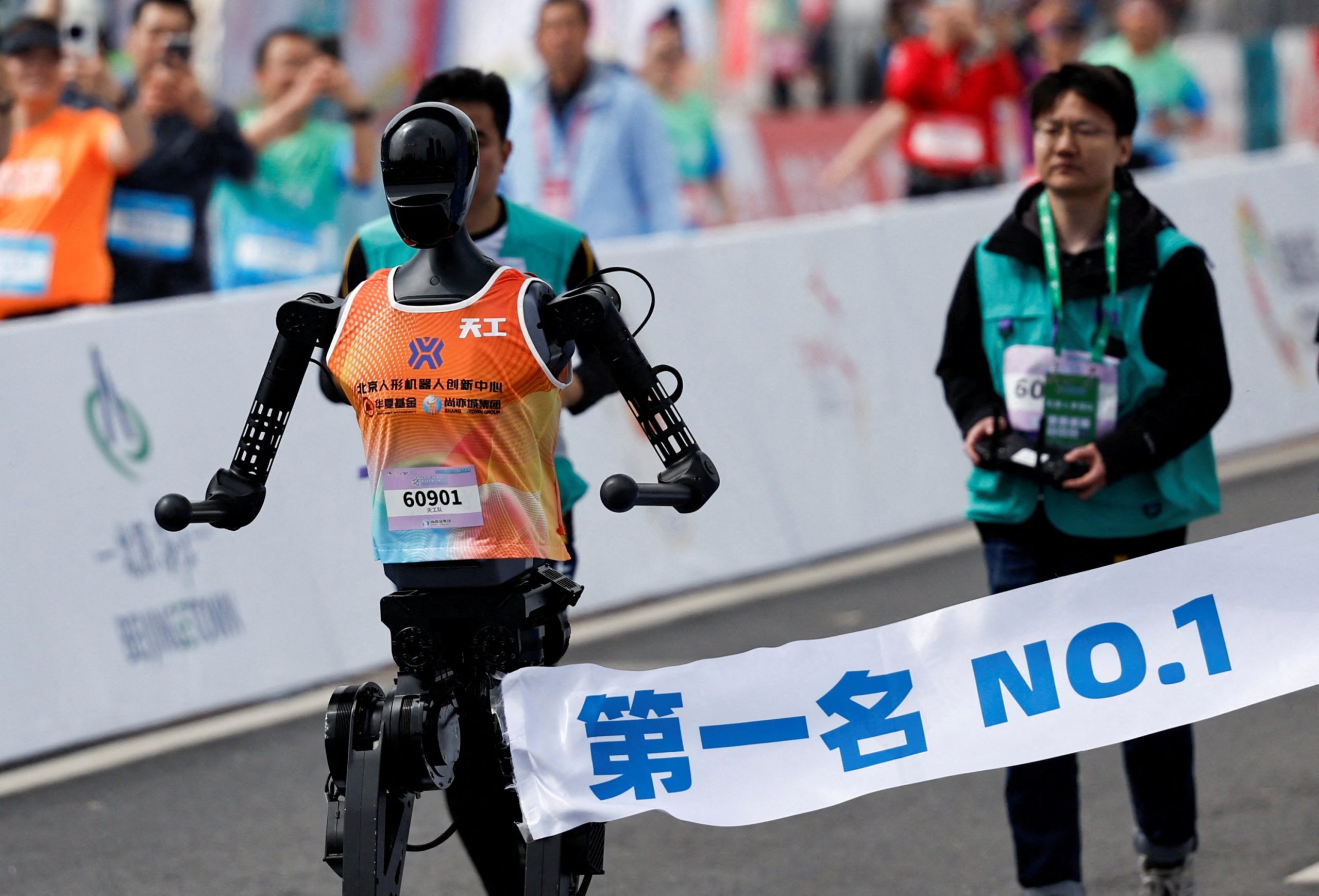
Table of Contents
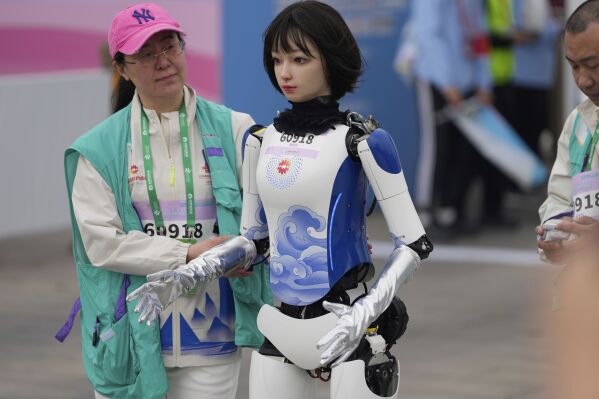
The world witnessed a groundbreaking event on April 20, 2025, as Beijing hosted the first-ever half-marathon featuring humanoid robots competing alongside human runners. This unprecedented race, held in the Beijing Economic-Technological Development Area (BDA), showcased the remarkable advancements in robotics while also highlighting the significant challenges that still need to be overcome. With twenty-one bipedal robots from various Chinese companies participating, the event served as a crucial test bed for evaluating the capabilities and limitations of Humanoid Robot Half-Marathon in a real-world, demanding environment.
The Race Results: A Triumph and a Learning Curve
The “Tien Kung Ultra” robot, developed by the Beijing Innovation Center of Humanoid Robotics, emerged as the victor in the robot category, completing the 21-kilometer course in an impressive time of 2 hours, 40 minutes, and 42 seconds. This achievement is particularly noteworthy considering the robot required multiple battery changes throughout the race. While Tien Kung Ultra’s performance was a significant accomplishment, the majority of the participating robots encountered various technical difficulties, underscoring the gap that still exists between human and robotic endurance. In contrast, the human marathon champion finished the race in a remarkable 1 hour and 2 minutes, further illustrating the current disparity in long-distance running capabilities.
Technical Hurdles: Challenges Faced by Robotic Runners
The half-marathon proved to be a rigorous test of endurance and reliability for the humanoid robots. Many participants experienced technical issues, including instances of stumbling and falling , overheating of their internal motors , and significant battery life problems that necessitated frequent replacements. Some robots even suffered mechanical breakdowns, forcing them to halt mid-race. These challenges highlight the complexities of designing robots that can maintain stability, manage power efficiently, and withstand the stresses of prolonged physical activity in unpredictable outdoor conditions. The race organizers likened the event to a “car rally for robots,” emphasizing the crucial role of the engineering teams in overseeing and sometimes physically assisting their robotic counterparts to keep them on track. The need for battery swaps, which incurred a 10-minute penalty, also underscored the limitations of current battery technology in supporting prolonged robotic operation.
Industry Implications: Paving the Way for Future Robotics
Despite the technical challenges, the Beijing Humanoid Robot Half-Marathon holds significant implications for the future of the robotics industry. The event served as an invaluable platform for testing the performance and durability of humanoid robots under demanding real-world conditions. The data and insights gathered from this race are expected to contribute significantly to the ongoing research and development efforts aimed at improving the endurance, stability, and autonomy of humanoid robots. Experts believe that such events are crucial for pushing the boundaries of robotics and bringing humanoid robots closer to practical applications in various sectors, including industrial manufacturing, public services, emergency response, healthcare, and elderly care.
This groundbreaking event also underscores China’s strategic ambition to become a global leader in humanoid robotics by 2025 and beyond. The strong governmental support for the half-marathon, coupled with the participation of numerous Chinese robotics companies, signals a clear commitment to investing in and advancing this cutting-edge technology. By showcasing their progress in a high-profile public event, China aims to accelerate the industrialisation and mass production of humanoid robots, positioning itself at the forefront of this rapidly evolving field.
For tips on keeping your personal devices running longer, check out our article on Smartphone Hacks: Master Your Battery Life Like a Pro.
The success of Tien Kung Ultra, despite the need for battery changes, demonstrates the advancements made in areas like motion control algorithms and the development of lighter yet stronger leg joints capable of withstanding the impact of long-distance running. As noted by one engineer, the race provided a rare opportunity to test the limits of batteries, motors, structures, and algorithms over an extended duration. The lessons learned from the challenges encountered by other robots will be crucial in guiding future improvements in areas such as thermal management and overall system reliability.
The Beijing Humanoid Robot Half-Marathon was more than just a race; it was a demonstration of ambition, innovation, and the relentless pursuit of technological advancement in the field of robotics. While humanoid robots still have a long way to go before they can match the endurance and agility of human athletes, this event marked a significant step forward in their development and highlighted their growing potential to impact various aspects of our lives. You can read more about the event on Humanoid robots stride into the future with world’s first half-marathon