Now Reading: Tesla Profits Drop a Shocking 71%: Weak Sales & Musk Factor Explained
-
01
Tesla Profits Drop a Shocking 71%: Weak Sales & Musk Factor Explained
Tesla Profits Drop a Shocking 71%: Weak Sales & Musk Factor Explained
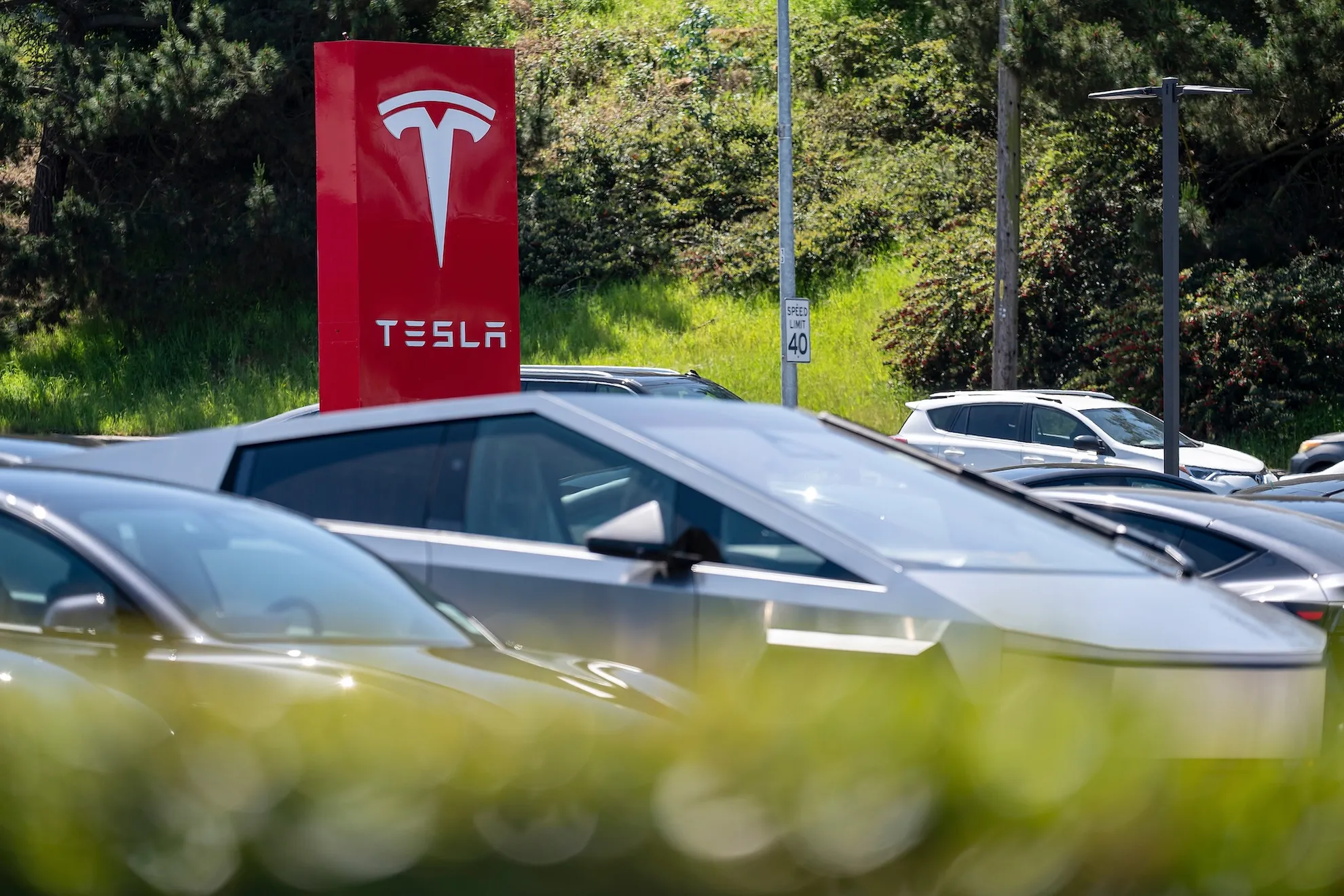
Table of Contents
Hey tech enthusiasts, let’s talk Tesla. You’ve probably seen the headlines, and they aren’t exactly painting a rosy picture right now. The latest earnings report dropped, and it confirmed what many suspected: a significant Tesla profits drop is shaking things up. We’re talking a steep 71% plunge compared to the same period last year. Ouch. So, what’s really going on behind the numbers? Is it just a blip, or are deeper issues at play? We’ll dive into the weak sales figures, the ever-present ‘Elon factor,’ rising competition, and what this could mean for the EV giant moving forward.
The Numbers Don’t Lie: A Closer Look at the Plunge
Alright, let’s break down that headline figure. A 71% Tesla profits drop in net income is substantial by any measure. This wasn’t just a slight miss; it points to some serious headwinds Tesla faced in the first quarter of 2025. Revenue also took a hit, falling short of analyst expectations and indicating that fewer cars are making it into customer driveways, or they’re being sold at lower price points, squeezing those crucial profit margins.
For years, Tesla seemed almost untouchable, defying gravity with soaring valuations and impressive growth. But the market dynamics are shifting. Economic uncertainty, higher interest rates making car loans pricier, and a cooling off of the initial EV frenzy in some regions are contributing factors affecting the entire auto industry, but Tesla seems to be feeling the pinch more acutely this quarter. Remember those aggressive price cuts Tesla implemented over the last year or so? While they might have propped up delivery numbers temporarily, the impact on profitability is now becoming crystal clear. Selling cars for less money inevitably eats into your bottom line.
What’s Sputtering in the Sales Department?
So, why the weak sales? It’s likely a combination of factors.
- Market Saturation & Competition: The EV market is way more crowded than it was a few years ago. Legacy automakers like Ford, GM, Hyundai, Kia, and VW have seriously upped their EV game, offering compelling alternatives across various price points and body styles (hello, electric SUVs and trucks!). New EV players, particularly from China (like BYD), are also expanding aggressively, often undercutting Tesla on price. Consumers simply have more choices now.
- Aging Model Lineup?: While the Model 3 and Model Y are still incredibly popular, they aren’t the newest kids on the block anymore. The Cybertruck is niche and facing production ramp-up challenges, and updates to the core models (like the recent Model 3 refresh) might not be enough to entice buyers who are looking for the absolute latest designs or technology, especially when competitors are launching brand-new models.
- Economic Pressures: As mentioned, broader economic concerns play a role. Potential buyers might be delaying large purchases like a new car, especially a premium-priced EV, amid inflation and interest rate worries. The pool of early adopters willing to pay top dollar might be shrinking, and the mainstream market is more price-sensitive.
- Charging Infrastructure Concerns: While Tesla’s Supercharger network is a major advantage, the overall public charging infrastructure growth hasn’t always kept pace with EV sales, potentially causing hesitation for some buyers concerned about long-distance travel or convenient charging options, especially those without home charging.
The ‘Elon Factor’: How Sentiment Impacts the Tesla Profits Drop
You can’t talk about Tesla without talking about Elon Musk. His leadership style, public statements, and ventures outside of Tesla (like X, formerly Twitter, and SpaceX) constantly keep him, and by extension Tesla, in the spotlight. However, this visibility is a double-edged sword.
Recent controversies, polarising political commentary, and concerns about his divided attention have reportedly fueled negative sentiment among some potential buyers. While loyal fans remain, others seem to be put off. It’s difficult to quantify the exact impact, but reports and surveys suggest that for a segment of the market, the CEO’s public persona is factoring into their purchasing decisions. When your brand is so tightly interwoven with a single, often controversial figure, any negative perception of that figure can potentially harm the brand’s image and, ultimately, sales. This quarter’s Tesla profits drop seems to add weight to the argument that the “Elon effect” isn’t always positive for the bottom line. We even saw related news recently about Elon Musk Resigns from White House Role Amid Tesla’s Market Struggles, highlighting the complex interplay between his various roles and Tesla’s standing.
The Competitive Landscape Heats Up
Tesla might have kickstarted the modern EV revolution, but the competition isn’t just knocking anymore – they’ve broken down the door. From the Ford Mustang Mach-E and F-150 Lightning to the Hyundai Ioniq 5/6, Kia EV6/EV9, and Volkswagen’s ID series, buyers have choices. Luxury brands like BMW, Mercedes, Audi, and Porsche also have compelling electric offerings.
Crucially, many of these competitors offer things Tesla currently doesn’t, like more traditional dealership experiences (which some buyers prefer), different design philosophies, and sometimes, eligibility for tax credits that Teslas might not qualify for, depending on the region and specific model configuration. Keeping track of the shifting market shares is crucial – resources like Bloombergnef’s EV Outlook provide valuable insights into these broader trends. This intense competition inevitably puts pressure on Tesla’s pricing and market share.
Looking Ahead: What’s Next for Tesla?
Despite the gloomy quarter, Tesla isn’t standing still. They’re still the global EV sales leader (though the gap is narrowing) and possess significant advantages in software, battery technology, and their charging network.
So, what are the potential paths forward?
- New Models: The long-promised, lower-cost “Model 2” (or whatever it will be called) is seen as crucial for unlocking the next wave of mass-market growth. Getting this affordable EV to market quickly is likely top priority. Updates or refreshes to the Model Y could also help.
- Software & Services: Tesla continues to push its Full Self-Driving (FSD) software and other potential subscription services. While FSD adoption faces regulatory hurdles and scepticism, recurring revenue from software could become increasingly important.
- Energy Storage: Tesla’s energy division (Powerwall, Megapack) is often overshadowed by the auto business but represents a significant growth area as renewable energy adoption increases.
- Manufacturing Efficiency: Continuous efforts to reduce production costs (like the Gigacasting technique) are vital to improving margins, especially if price competition remains fierce.
- Navigating PR: Managing the narrative around the company and its CEO will likely remain a key challenge and opportunity.
Summary: A Turning Point?
This quarter’s significant Tesla profits drop marks a challenging moment for the EV pioneer. Weakening sales, squeezed margins due to price cuts, intensifying competition, and the undeniable impact of public sentiment surrounding Elon Musk have converged to create significant headwinds. While Tesla still holds a powerful position in the market, the era of seemingly effortless hyper-growth appears to be over. The focus now shifts to navigating a more complex and competitive landscape, executing on promises like the affordable next-gen vehicle, and potentially recalibrating its strategy to ensure long-term profitability and market leadership. It’s a pivotal time for Tesla, and the next few quarters will be crucial in determining its trajectory.