Now Reading: Trump Tech Tariffs Exemptions: Smartphones, Laptops, Semiconductors Spared from New Duties
-
01
Trump Tech Tariffs Exemptions: Smartphones, Laptops, Semiconductors Spared from New Duties
Trump Tech Tariffs Exemptions: Smartphones, Laptops, Semiconductors Spared from New Duties
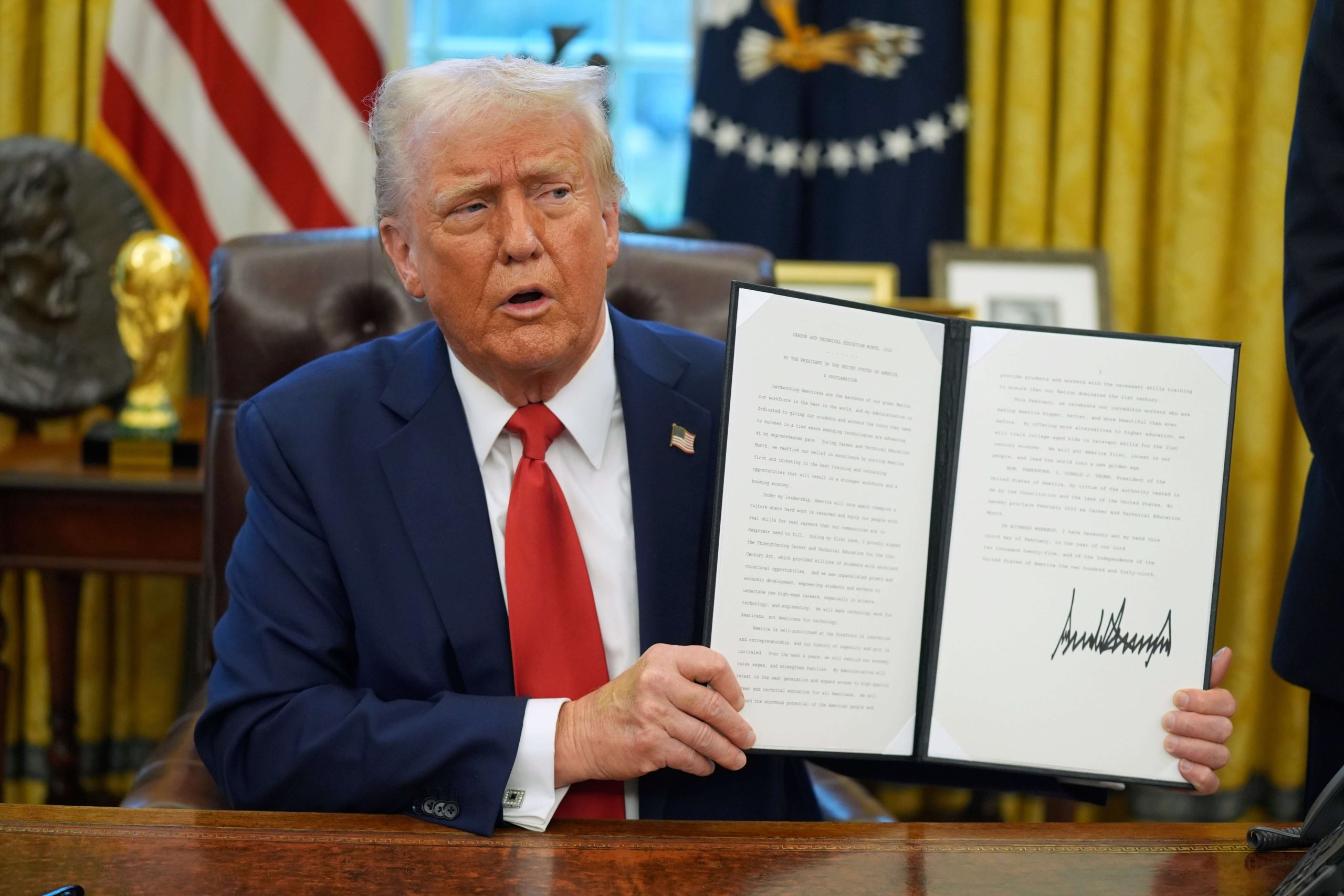
Table of Contents
Let’s Talk About Those Trump Tech Tariffs Exemptions: Your Gadgets Just Dodged a Bullet!
Okay, let’s dive into some pretty big news that might directly affect that phone in your pocket or the laptop you might even be reading this on right now. We’re talking about the latest Trump tech tariffs exemptions. It feels like the Trump administration just slammed on the brakes, giving a massive sigh of relief to the tech world by creating special exceptions for smartphones, laptops, and those super-important semiconductors. These items will now avoid the scary new import duties everyone was bracing for.
Honestly, this is a noticeable shift from the rhetoric we heard just last week. It’s a welcome break for tech companies, especially those whose manufacturing pipelines snake through China – which, let’s face it, is a lot of them!
Remember Last Week? The Tariff Threats Were Getting Serious
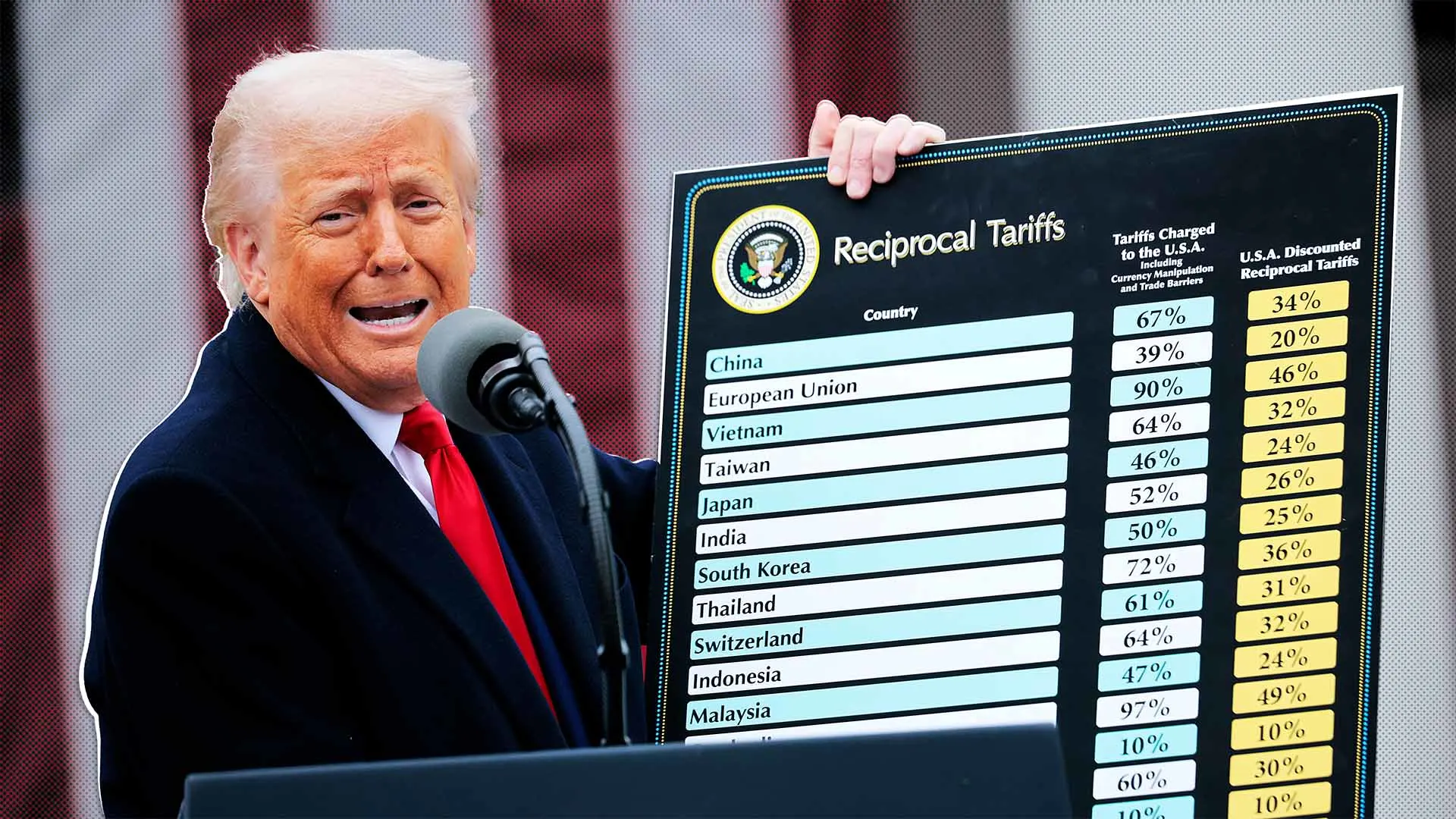
Cast your mind back just a week or so. Things felt pretty uncertain, didn’t they? President Trump was talking tough on trade again. He wasn’t just sticking with a new 10% baseline tariff on goods coming in from all countries, but he was also threatening to pile on an extra, eye-watering 125% tariff specifically on goods from China. And that was on top of the 20% duty already hitting many Chinese products!
You can imagine the nervousness rippling through the tech industry. Think about it – so many of the devices we rely on are assembled, or have critical parts made, overseas, with China being a massive hub. Now, President Trump has often talked about wanting to bring manufacturing jobs back to the U.S., which is a goal he’s been quite vocal about. But if you ask the experts, actually building something as complex as an iPhone entirely stateside? Well, many will tell you that’s still pretty much a fantasy because the supply chains are just so incredibly intricate and established elsewhere.
So, these tariff threats were serious. They could have forced companies into making incredibly expensive, maybe even impossible, changes to where they build things, or more likely, they would have had to pass those huge costs onto you at the checkout. The whole situation felt volatile, reminding me a bit of the uncertainty we saw during other trade dramas, like How Trump’s Tariffs Disrupted the TikTok Deal and What It Means for US-China Tech Relations.
Plot Twist! The Exemption Announcement
Then, almost out of the blue, came a change of tune. Late Friday evening (that was April 11th, 2025, for the record), U.S. Customs and Border Protection (CBP) published an official notice. And guess what it said? It listed a whole bunch of product types that are now excluded from those tough new tariffs outlined in Executive Order 14257. They even made the decision retroactive to April 5th!
So, what exactly got the green light to avoid these new duties? It’s basically the tech essentials many of us can’t live without:
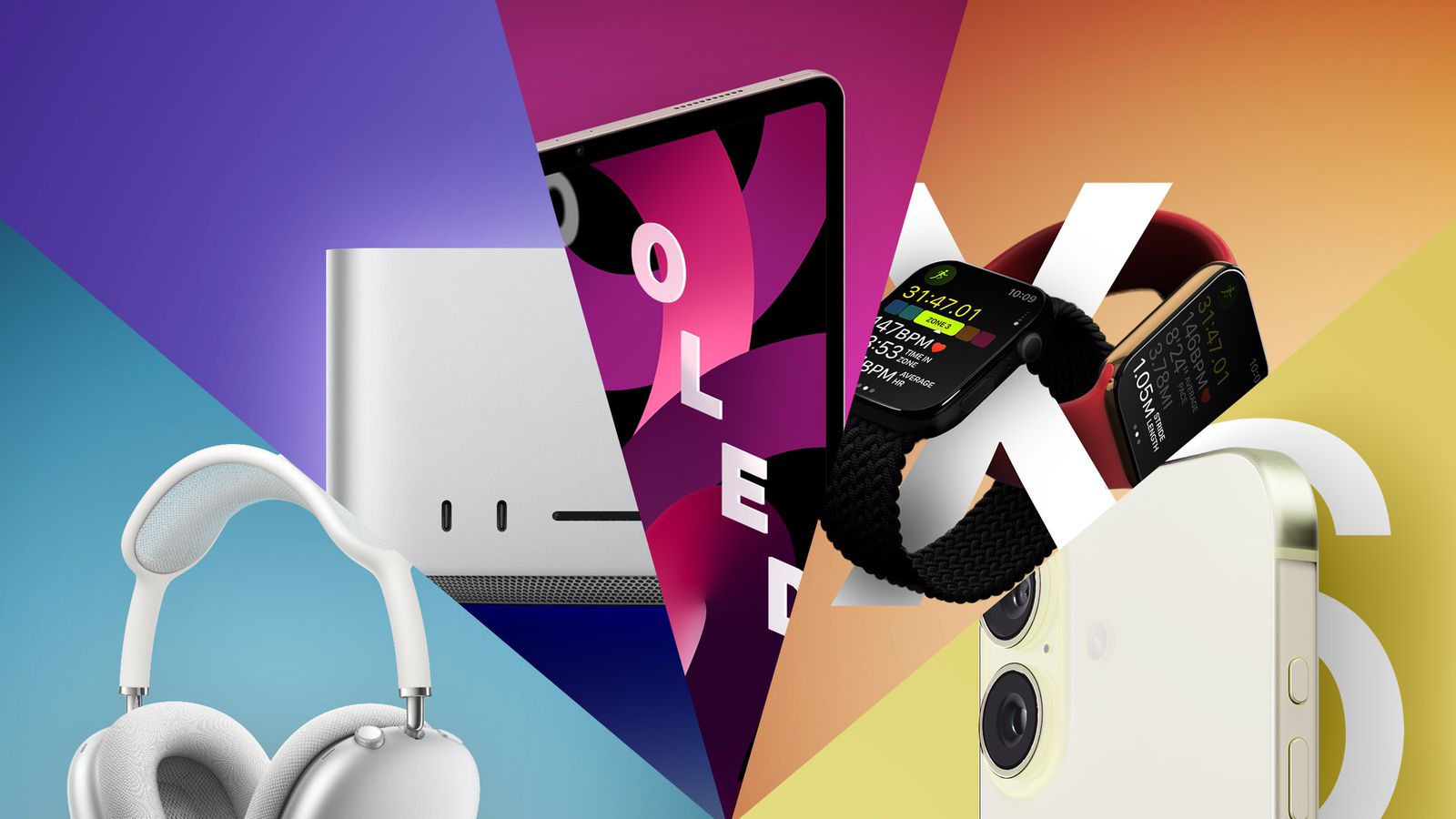
- Smartphones: Yep, your beloved iPhone or Android device.
- Laptops: Whether it’s a MacBook, a Windows PC, or a Chromebook.
- Hard Drives: The unsung heroes storing all your digital life.
- Semiconductors: Those tiny silicon brains powering everything electronic.
Here’s the really important part: these products are exempt from both that new 10% universal tariff and the huge 125% specifically targeting China. Now, hold your horses – this doesn’t necessarily mean they’re totally tariff-free. Any older tariffs already in place (like that previous 20% on some Chinese goods) probably still apply unless stated otherwise. But dodging these new, much harsher tariffs? That’s a really big win.
Why This Matters So Much to the Big Tech Players
You can bet there were sighs of relief, maybe even cheers, echoing through the halls of Silicon Valley giants. Imagine you’re running Apple, looking at tariffs that could potentially add a significant chunk to the price of every single iPhone. Or think about Dell, HP, Nvidia, Intel – all these major players depend heavily on international manufacturing and supply chains.
These exemptions mean they avoid a potentially crippling blow to their finances and don’t have to make the tough call between absorbing huge costs or shocking us, their customers, with much higher prices. Daniel Ives, who keeps a close eye on the tech market at Wedbush Securities, really summed it up well, calling this turn of events “a dream scenario for tech investors.” Why? Because it removes a massive cloud of financial uncertainty that was hanging over these companies.
Good News for Your Wallet Too!
And let’s not forget what this means for you and me. It’s actually great news for our bank accounts! If those hefty tariffs had been slapped onto smartphones and laptops, you would almost certainly have felt the pinch the next time you went to buy a new device. Prices could have jumped quite a bit.
So, this exemption helps keep the technology we rely on daily from becoming drastically more expensive. It also avoids adding extra fuel to the fire of inflation, which is something nobody really wants right now.
What Was Going On Behind the Scenes?
Naturally, you might be wondering: why the sudden change of heart? Was it just a fluke? Well, it’s interesting to note, as the original TechCrunch piece mentioned, that some prominent tech figures, including well-known names like Elon Musk, have been involved with or engaging with the Trump administration. We also know that various tech CEOs have made efforts to build relationships, sometimes through significant donations.
Did these lobbying efforts finally bear fruit? It’s really hard to say definitively – connecting those dots is tricky, and correlation doesn’t equal causation. But the timing certainly makes you think. It’s also possible the administration simply took a hard look at the potential economic fallout and realized that hitting these specific, widely used consumer goods with massive tariffs could cause significant pain for everyday Americans and disruption to key industries. Sometimes the reasoning behind these trade moves can seem a bit puzzling, leading to observations like those in Trump’s Bizarre Tariff Formula – Did He Let AI Chatbots Write His Trade Policy?.
How Wall Street Reacted
Like Daniel Ives pointed out, investors definitely liked this news. When you remove a major risk factor like these tariffs, it makes investing in tech stocks feel a bit safer and potentially more profitable. So yes, Wall Street likely let out a collective sigh of relief along with Silicon Valley.
But Hold On, It’s Not All Smooth Sailing Ahead
Okay, before we get too carried away, it’s important to keep things in perspective. While this exemption is fantastic news, it’s specifically about these particular new tariffs. Any older duties might still be in effect, and let’s be clear, the administration could always introduce different types of restrictions or targeted tariffs down the road.
In fact, there are already whispers (The New York Times reported on this) that a separate investigation focused on the semiconductor industry might be brewing, framed around national security concerns. That kind of investigation could lead to entirely different headaches for the tech sector, like specific bans or controls on exporting or importing certain chips. Plus, the whole US-China tech relationship remains incredibly complex and often tense (you can explore some background on the ongoing U.S.-China competition in technology via the Council on Foreign Relations), especially when it comes to technology. Things can change quickly based on geopolitics.
What About Bringing Manufacturing Back Home?
So, where does this leave President Trump’s often-stated goal of boosting U.S. manufacturing? Does exempting these key products mean that goal is being shelved? Probably not entirely. This might just be a pragmatic decision for the time being, maybe an acknowledgment of just how difficult and disruptive it would be to suddenly shift the production of something like an iPhone or advanced semiconductors. The whole “Made in America” tech debate isn’t over, but perhaps it’s taking a backseat for these specific high-profile items right now.
So, What’s the Bottom Line For You?
Alright, let’s wrap this up. The key takeaway for you right now is that your next smartphone, laptop, or device relying on key semiconductors likely won’t face those dramatic price hikes from the newly proposed tariffs, thanks to these exemptions. That’s a definite plus for major tech companies, for investors, and most importantly, for consumers like us.
However, remember this is likely just one moment in an ongoing story. The world of international trade, especially where technology and U.S.-China relations collide, is constantly evolving. So, while we can appreciate this bit of good news today, it’s wise to keep paying attention – things could always shift again.